

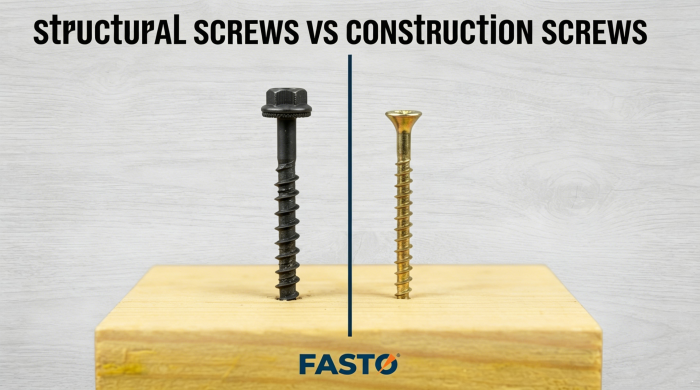


What is the difference between a hex head and socket head screw?
In mechanical engineering, furniture assembly, or everyday repairs, the choice of screws is crucial. Have you ever wondered what the difference is between a hex head screw and a socket head screw? While they may seem like simple tools for fastening, they differ significantly in design, driving mechanisms, and applications.

Drive Type:
- Hex Head Screws: Feature an external hexagonal head that requires a wrench (e.g., open-end, box-end, or socket wrench) for installation. The tool grips the outside of the head.
- Socket Head Screws: Have an internal recess (typically hexagonal, known as an Allen socket) that requires a corresponding hex key or Allen wrench. The tool fits inside the screw head.
Head Profile:
- Hex Head: Protruding, bulky design that sits above the surface. Common in bolts and heavy-duty applications.
- Socket Head: Lower-profile, cylindrical head that can sit flush or recessed, ideal for tight spaces or streamlined surfaces.
Torque and Applications:
- Hex Head: Better for high-torque applications (e.g., construction, machinery, automotive) due to the wrench’s secure grip and leverage.
- Socket Head: Used where space is limited (e.g., electronics, bicycles, furniture). Offers a sleek finish but may be prone to stripping if misaligned.
Tool Accessibility:
- Hex Head: Easier to drive with standard wrenches but requires clearance around the head.
- Socket Head: Requires precise-sized tools (e.g., hex keys) but works in confined areas.
In summary, hex heads prioritize torque and accessibility, while socket heads focus on space efficiency and aesthetics.
When it comes to screws, nuts and bolts, FASTO is your go-to source for quality fastening solutions. We have fasteners designed to meet the needs of numerous applications across various industries. Our experienced staff will work with you to ensure you get the right tool or fastener for your project.
Contact us today for more information about our products or to request a free quote!