
The Mechanism of Seawater Corrosion
The marine environment represents one of the most aggressive and highly corrosive atmospheres on Earth. When discussing structural integrity in maritime engineering, the selection of fasteners is paramount. Seawater is not merely water and salt; it is a complex, dynamic chemical soup containing approximately 3.5% dissolved salts, predominantly sodium chloride, alongside sulfates, magnesium, calcium, and a myriad of biological organisms.
The primary driver of marine corrosion is the presence of chloride ions (Cl-). These ions are highly reactive and possess the unique ability to penetrate the protective oxide films that naturally form on many metals. Once this passive layer is breached, an electrochemical reaction initiates. The metal acts as an anode, losing electrons and dissolving into the seawater, while the oxygenated water acts as a cathode. This process is accelerated by the high electrical conductivity of seawater, which facilitates the rapid transfer of ions.
Furthermore, marine environments are subject to galvanic corrosion. When two dissimilar metals are in contact within the seawater electrolyte, the less noble metal corrodes at an accelerated rate. Additionally, biological fouling—where marine organisms attach to the metal surface—creates localized oxygen depletion zones, leading to aggressive microbial-induced corrosion (MIC) and oxygen concentration cell corrosion. To combat these relentless forces, modern engineering increasingly relies on marine titanium fasteners, which offer an unparalleled electrochemical defense mechanism.
Chloride Attack
Aggressive Cl- ions penetrate standard passive films, causing rapid pitting and structural degradation.
Galvanic Action
Electrochemical potential differences in seawater cause rapid dissolution of less noble metals.
The Myth: Why 316 Stainless Steel Still Corrodes
The Pitting Phenomenon
For decades, 316 Stainless Steel has been the default choice for marine applications due to its 2% molybdenum content, which enhances its Pitting Resistance Equivalent Number (PREN). However, in prolonged submersion or splash zones, 316 SS is far from invincible. Microscopic imperfections in the chromium oxide layer become localized anodic sites. Chloride ions concentrate in these microscopic pits, creating an acidic micro-environment (low pH) that rapidly accelerates the dissolution of the steel, leading to catastrophic, invisible internal failure.
Crevice Corrosion
Fasteners inherently create crevices—under the bolt head, within the thread roots, or beneath washers. In these tight spaces, seawater becomes stagnant. Oxygen is quickly depleted, preventing the chromium oxide passive layer from regenerating. This oxygen starvation turns the crevice into a highly active anode relative to the exposed exterior metal. The result is rapid, severe crevice corrosion that can shear a 316 SS bolt under normal operational tension.
Stress Corrosion Cracking (SCC)
In marine environments where temperatures exceed 50°C (such as near engine exhausts or heated offshore processing equipment), 316 stainless steel becomes highly susceptible to Chloride-Induced Stress Corrosion Cracking (Cl-SCC). The combination of tensile stress (which bolts are always under) and a corrosive environment causes microscopic cracks to propagate through the crystalline grain boundaries of the metal, causing sudden, brittle failure without any prior visible warning.
The Ultimate Solution: Titanium Grade 2 Advantages
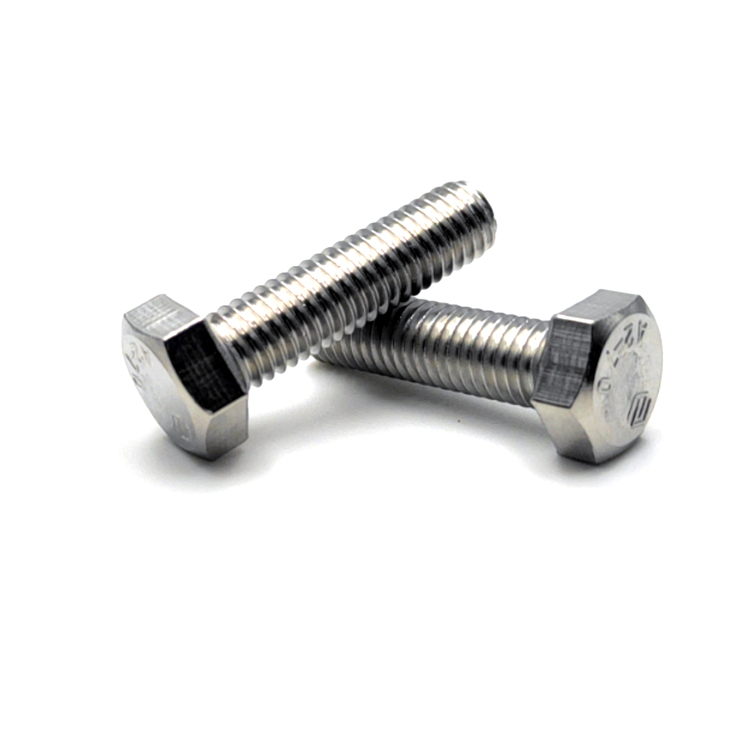
To overcome the inherent limitations of stainless alloys, the industry is rapidly transitioning to marine titanium fasteners. Among the various grades available, Commercially Pure (CP) Titanium Grade 2 stands out as the optimal balance of strength, formability, and absolute corrosion resistance.
The secret to Titanium Grade 2 lies in its phenomenally stable and self-healing oxide film (TiO2). Unlike the chromium oxide layer on stainless steel, the titanium dioxide layer forms instantaneously upon exposure to oxygen or moisture. This film is incredibly dense, chemically inert, and firmly adhered to the base metal. If the surface is scratched or mechanically damaged, the TiO2 layer regenerates in milliseconds, providing an impenetrable barrier against chloride ions.
As a result, seawater resistant bolts made from Titanium Grade 2 are entirely immune to pitting, crevice corrosion, and microbiologically influenced corrosion in ambient seawater up to 300°C. Furthermore, titanium is practically immune to stress corrosion cracking in marine environments. When evaluating lifecycle costs, the application of corrosion resistant marine bolts crafted from titanium eliminates the need for regular maintenance, replacement, and the severe risks of catastrophic structural failure, making it the most cost-effective long-term solution.
Marine Applications: Offshore Platforms & Vessel Equipment
Offshore Platform Cases
In the extreme environment of deepwater oil and gas extraction, offshore platforms face the relentless assault of the "splash zone"—the area constantly exposed to alternating wet and dry cycles, highly oxygenated seawater, and intense wave impact. Traditional fasteners in these zones require heavy protective coatings and frequent replacement.
Recent engineering case studies from North Sea platforms demonstrate that replacing super-duplex stainless steel with marine titanium fasteners in riser clamps and subsea manifolds resulted in zero corrosion-related failures over a 20-year operational period. The high strength-to-weight ratio of titanium also reduced the overall dynamic load on the deep-sea infrastructure, proving its superiority in critical structural applications.
Marine & Naval Equipment
Modern vessels, from commercial cargo ships to advanced naval submarines, rely on complex seawater cooling systems, desalination plants, and propulsion mechanisms. The pumps and valves handling high-velocity seawater are highly susceptible to cavitation and erosion-corrosion.
Utilizing corrosion resistant marine bolts made of titanium in these fluid handling systems ensures that the fastening integrity matches the lifespan of the equipment itself. For ROVs (Remotely Operated Vehicles) exploring oceanic trenches, the non-magnetic properties of titanium ensure no interference with sensitive navigation and AI-driven sonar equipment, while guaranteeing absolute resistance to hyperbaric seawater pressure.
COMPANY PROFILE
Founded in 2005 and ISO 9001 certified, FASTO is a professional manufacturer and global supplier of high-performance fastening systems.
While we specialize in Bimetal Self-Drilling Screws for demanding environments, we offer a comprehensive portfolio of precision hardware—including bolts, nuts, anchors, washers, pins, nails, and rivets. By integrating diverse manufacturing capabilities with essential industrial tools and accessories, FASTO serves as a versatile one-stop partner, providing complete fastening solutions for construction, energy, marine, and general industrial projects worldwide.
FASTO combines professional sales expertise with advanced manufacturing facilities. Our global service network supports both domestic and international markets, with a multilingual team capable of professional communication in English, French, Spanish, Arabic, and Russian.
Read More About UsPOPULAR PRODUCTS
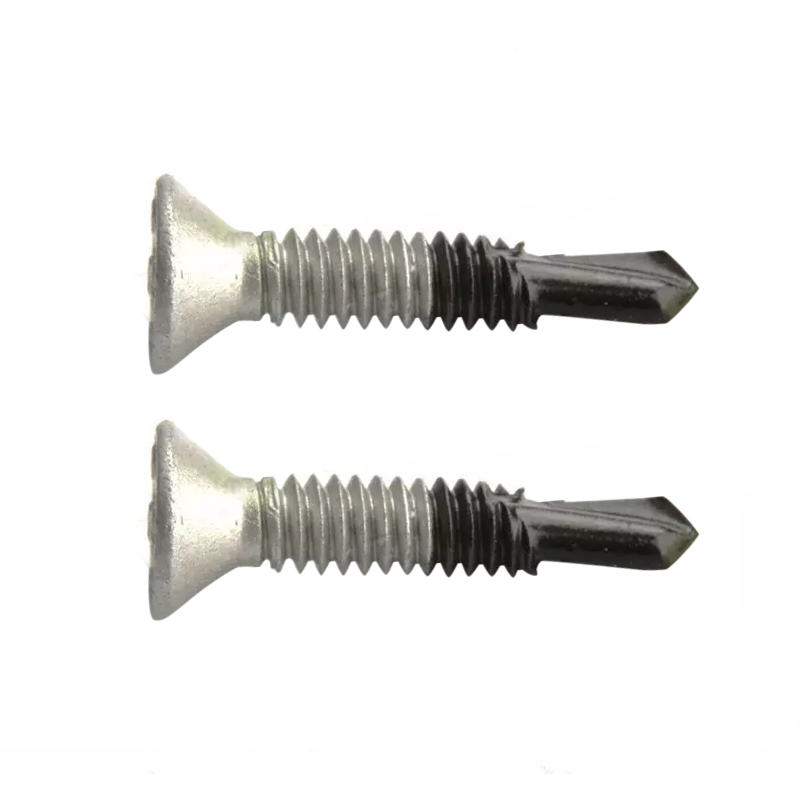
Bimetal Screws
Read More
High-Strength Bolts
Precision engineered for critical structural integrity in extreme environments.
View Products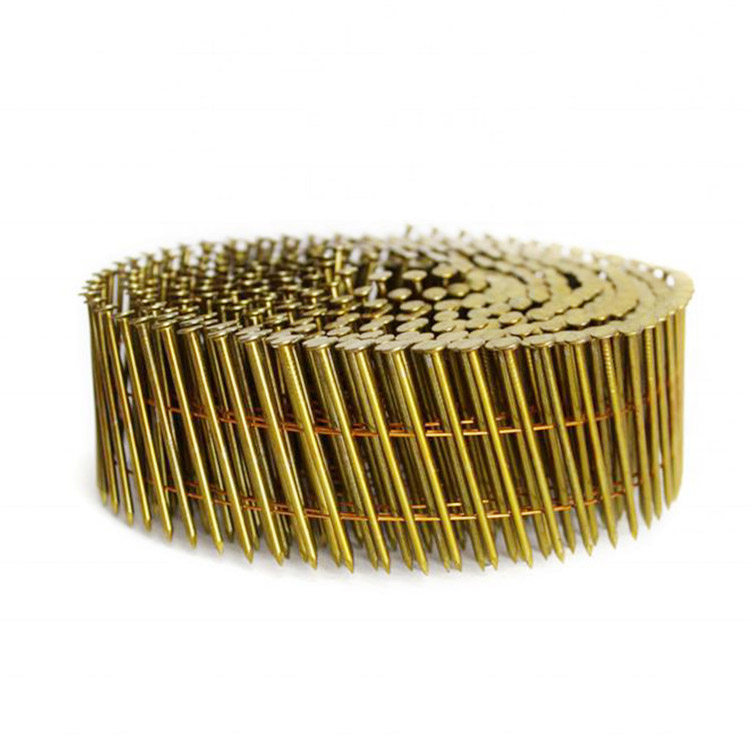
Industrial Nails
Durable and versatile nailing solutions for various construction needs.
View Products
QUALITY TESTING
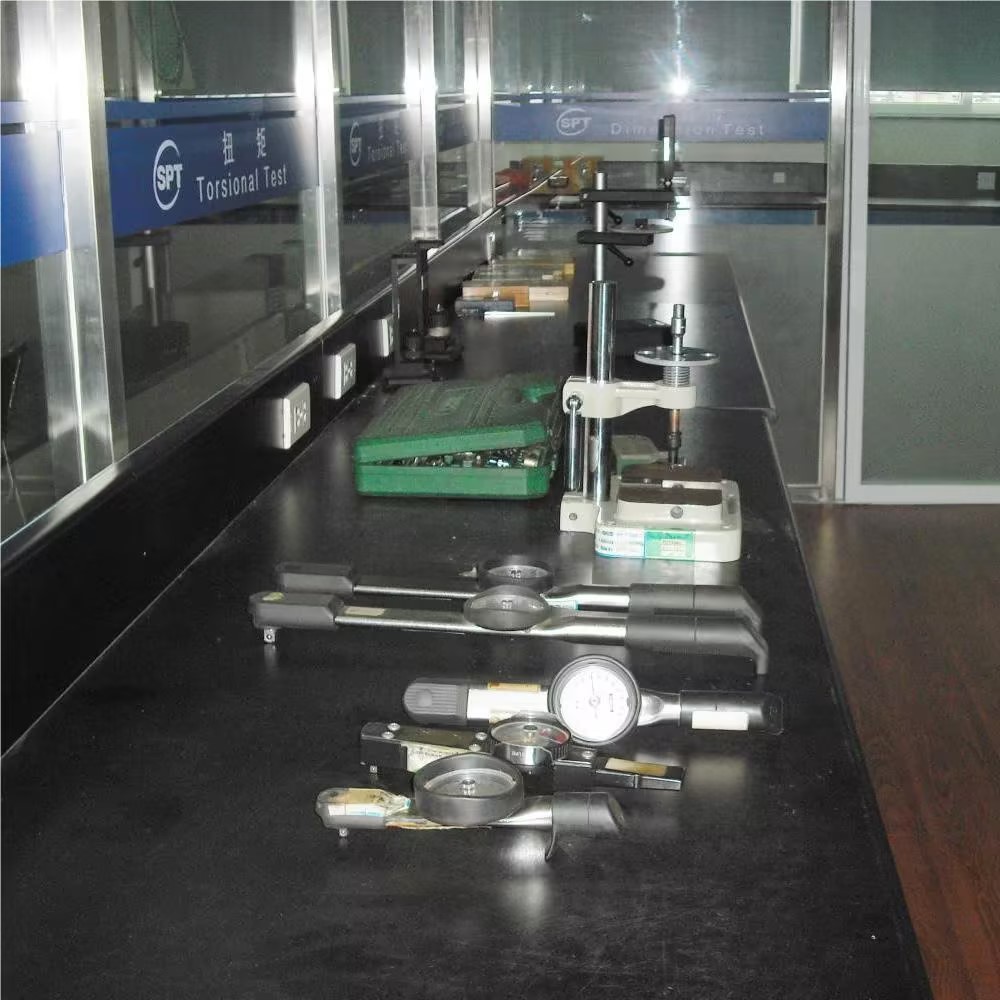
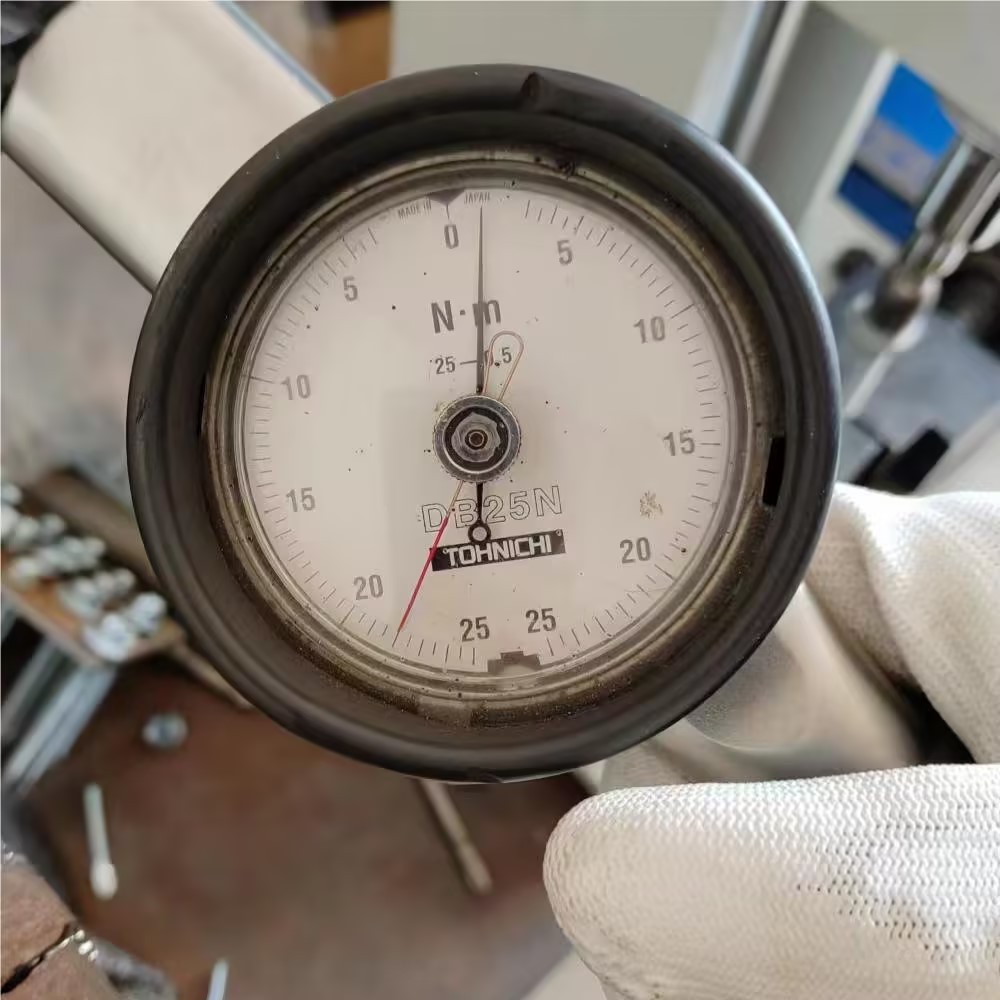
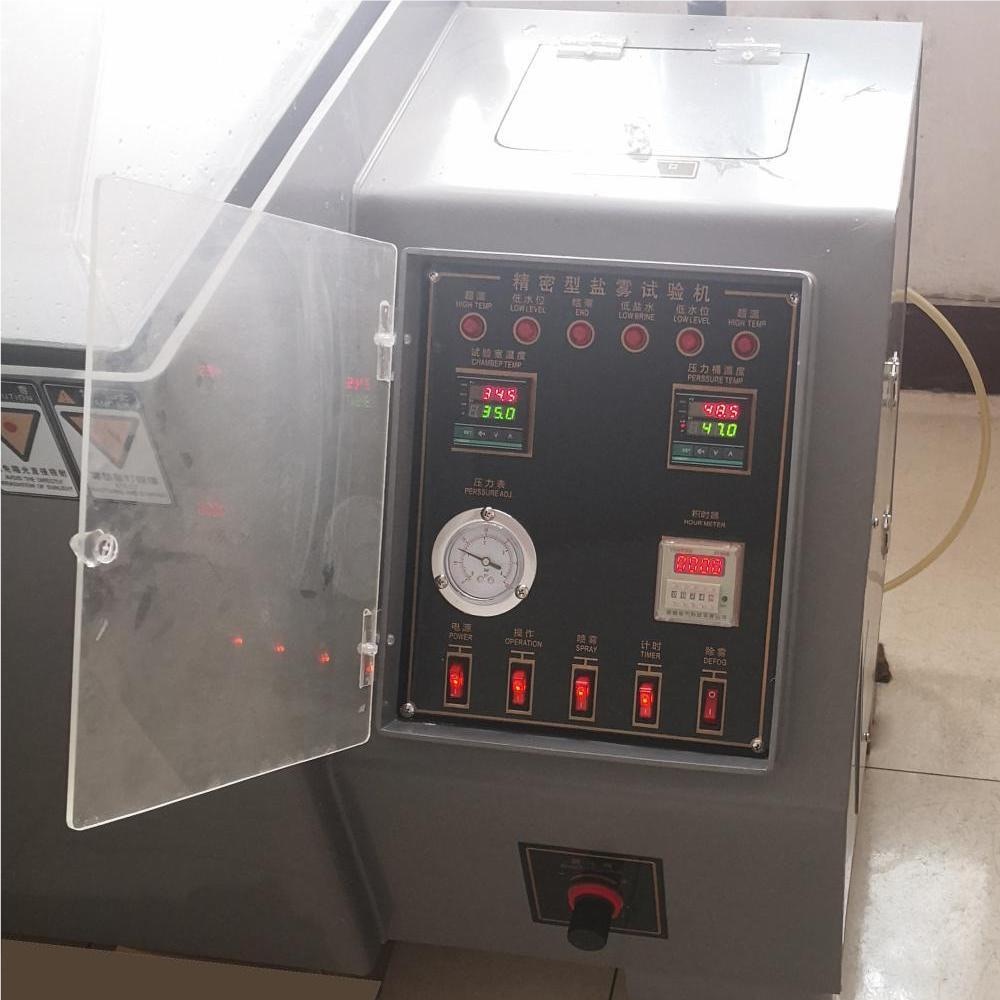
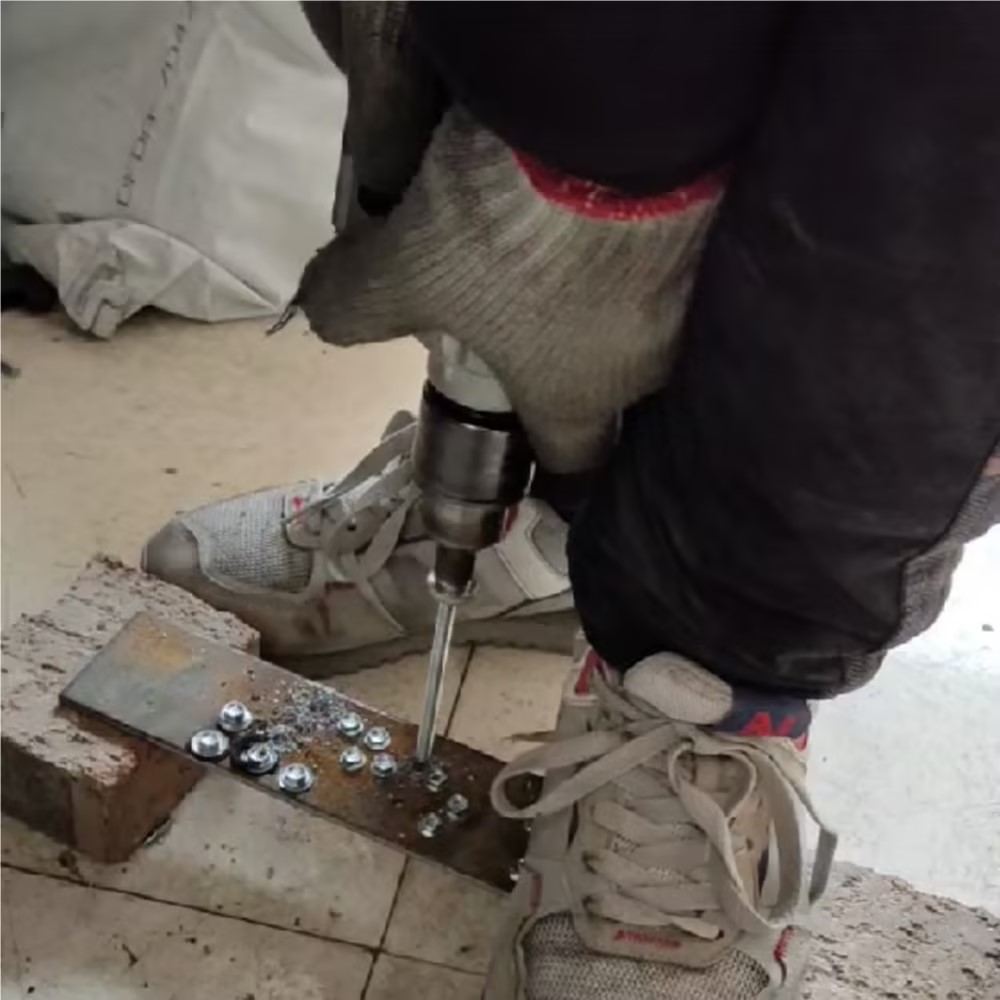
To ensure stable and high-quality products, we conduct rigorous in-house QC at multiple production stages under ISO 9001 standards. We prioritize structural reliability by providing detailed technical reports for each order, covering critical metrics such as tensile strength, torque, and coating thickness.
OUR ADVANTAGE

Quick Response
24-Hour Online Service and Support

Fast Delivery
Fast shipping within three to five days

Factory Supply
Fast and Efficient Direct Manufacturing

Free Samples
Provide Free Samples for Testing

Professional Design
We Have Dedicated Professional Teams

Support Customization
OEM/ODM is fully available
ENTERPRISE HISTORY
2005
Founded on simple fasteners, Fasto expanded by 2005, establishing its office and commencing large-scale, high-volume production of bolts and nuts.

2008
Having several professional teams and relying on a good reputation, we established a second factory.

2015
Obtained numerous authoritative certifications both domestically and internationally, and made progress in screw manufacturing technology.

2025
Fasto has established a subsidiary (LLC) in Saudi Arabia, embarking on a new global journey.

LATEST NEWS

Why Friction Welding is the Soul of Bi-Metal Performance?
Bi-metal self-drilling screws represent a pinnacle of fastener engineering, utilizing a high-integrity friction welding process to fuse a corrosion-resistant SS316 body with a high-strength SCM435 alloy steel tip...
Read More
Why 2026 Projects are Swapping Stainless for Bimetal Screws?
For a long time, the construction industry was forced to choose between a screw that could drill and a screw that wouldn't rust. In 2026, that compromise is finally becoming a thing of the past...
Read MoreCONTACT US
FASTO ONLINE SALES OFFICE
Address: Room A-907, Green Land Center, 2nd Zhang Ba Road, Yan Ta District, Xi’an, China
FASTO TIAN JIN
Leading Carbon Steel & Stainless-Steel Screws manufacturer
Address: Xi Zheng He Village, Zhong Tang Town, Bin Hai District, Tianjin, China
FASTO CHONG QING
Leading Bimetal Screws Manufacturer
Address: Guang Shun Street, Rong Chang District, Chong Qing, China
Email: info@fastoscrews.com
Tel / WhatsApp: +86 13709297208
Service Hours: Inquiry response within 12 hours